The strongest communities are not always the biggest. They are the ones that take care of what they build.
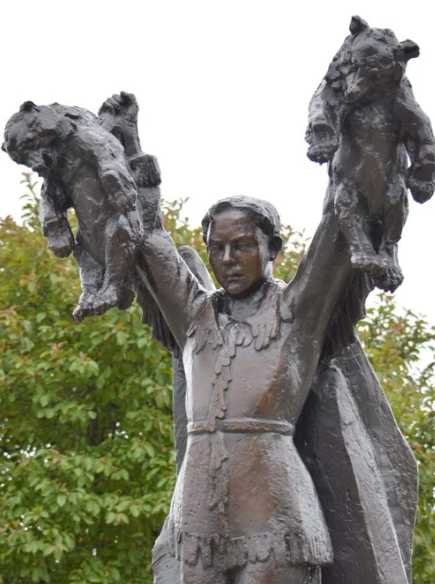
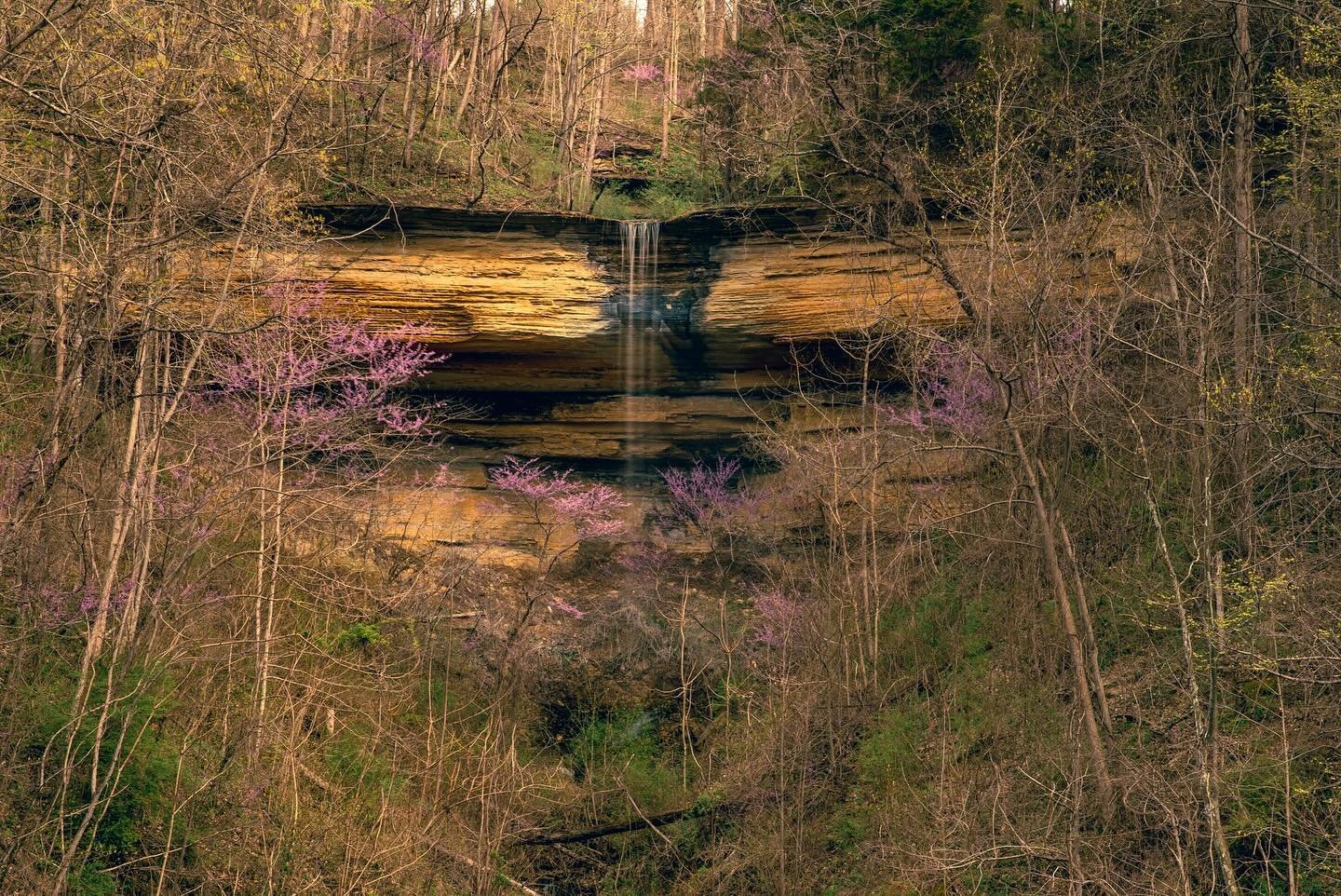
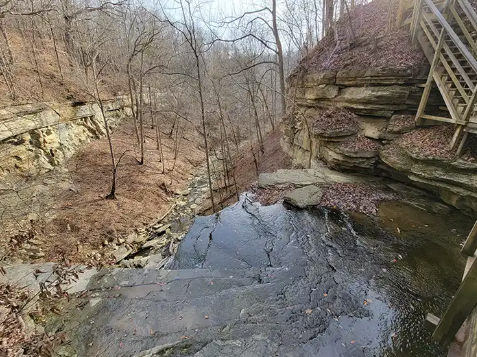
Over the past month, my wanderings have taken me to Clifty Falls, Shelbyville, Putnam County, Darlington, and Garfield Park. And yes, another Darrell Voelker sighting.
Our Clifty Falls State Park Inn trip is coming up. As I mentioned last time, we are heading southeast for our annual BOGO stay at one of Indiana’s state park inns. Hiking, exploring, and visiting surrounding towns has become one of our favorite traditions. If you have recommendations near Clifty Falls, I would welcome them.
We have also been doing work in Shelbyville, which gave me time to wander through the city. My earliest memories there go back to high school summers running in the Bears of Blue River race. Even then, the community spirit was evident. Returning now, it is impressive to see how Blue River Memorial Park has grown and matured. That kind of asset does not happen by accident. It reflects years of leadership decisions, budgeting priorities, and a willingness to invest in long term quality of life.
The trails along the river, improved facilities, and the hosting of cross country meets demonstrate steady commitment. Communities that choose to invest in parks, trails, and public spaces are making more than aesthetic decisions. They are making statements about who they are and who they want to be. Shelbyville has clearly embraced that.
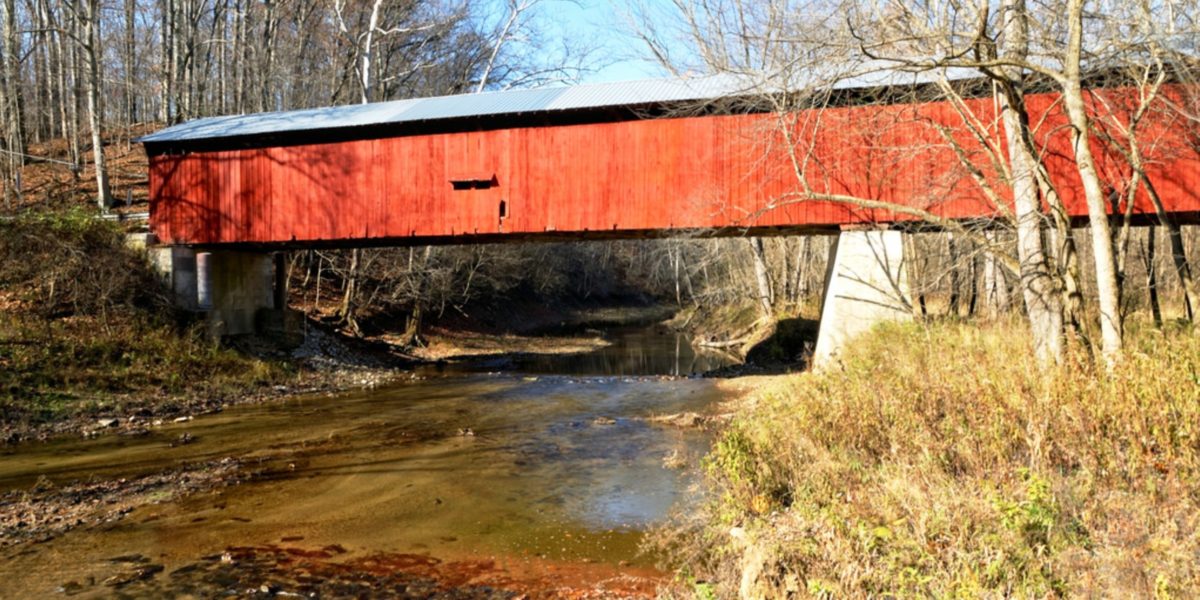
A Sunday drive took us through northeast Putnam County along the Big Walnut Creek riparian corridor. We visited Pine Bluff and Rolling Stone covered bridges and hiked portions of the Doyle and Tall Timber Trails in the Big Walnut Conservation Area. Putnam County has also embraced murals and preservation throughout the area. Protecting natural resources while making them accessible requires planning, coordination, and ongoing maintenance. It also requires funding, something many local leaders are constantly balancing against other infrastructure needs.
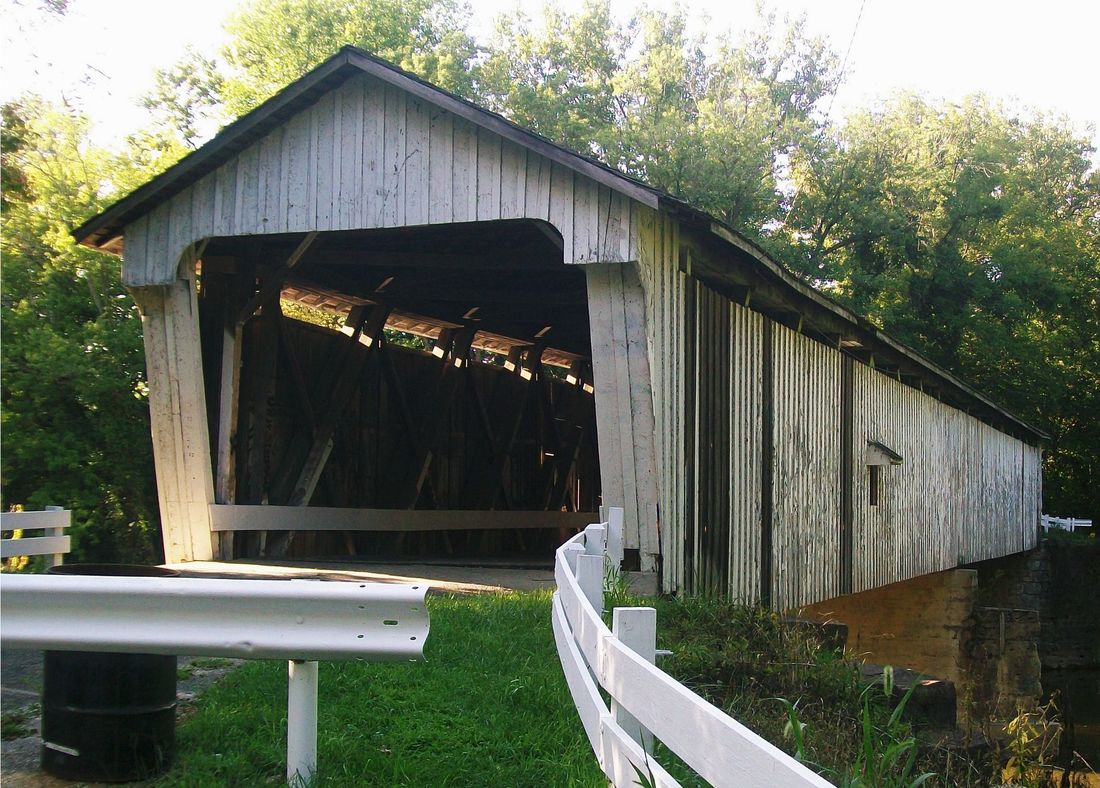
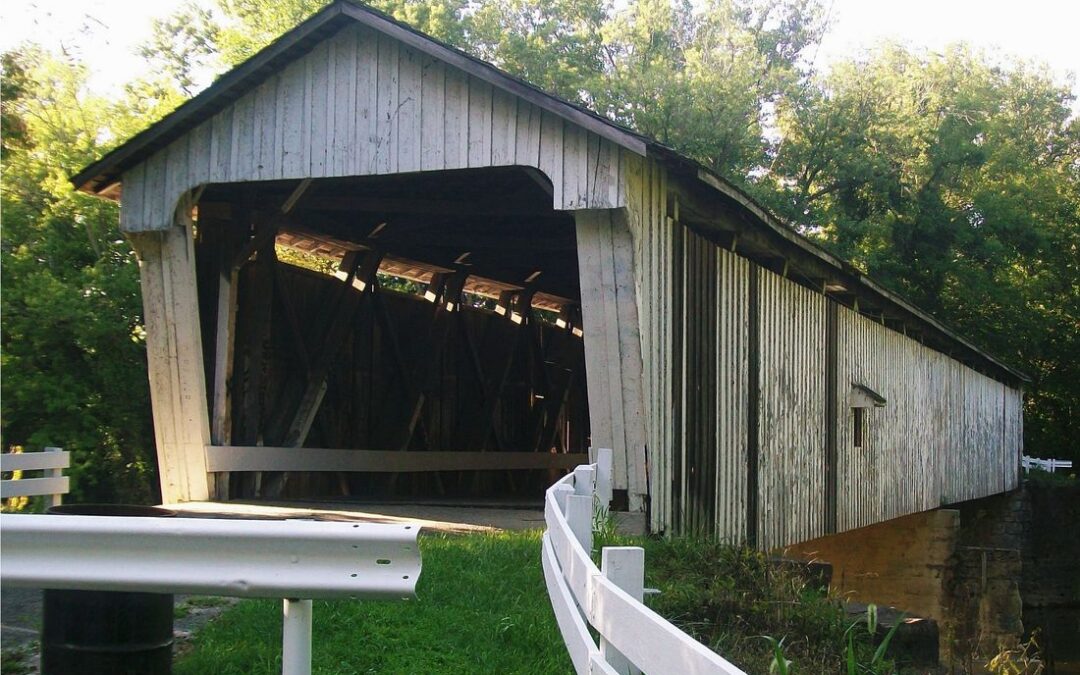
A drive home from the Crawfordsville INDOT office turned into a detour through Darlington. Small towns like Darlington tell a familiar story. Rail lines shift. Highways relocate. Schools consolidate. Over time, the paths of growth can move beyond a community’s traditional center. Yet history and character remain. The covered bridge over Sugar Creek and the former Toll House are reminders that infrastructure decisions shape communities for generations.
Leaders in towns like this face difficult choices. How do you preserve identity while adapting to modern demands? How do you fund improvements without overburdening residents? How do you maintain momentum with limited resources? These are not simple questions, and they require thoughtful planning.
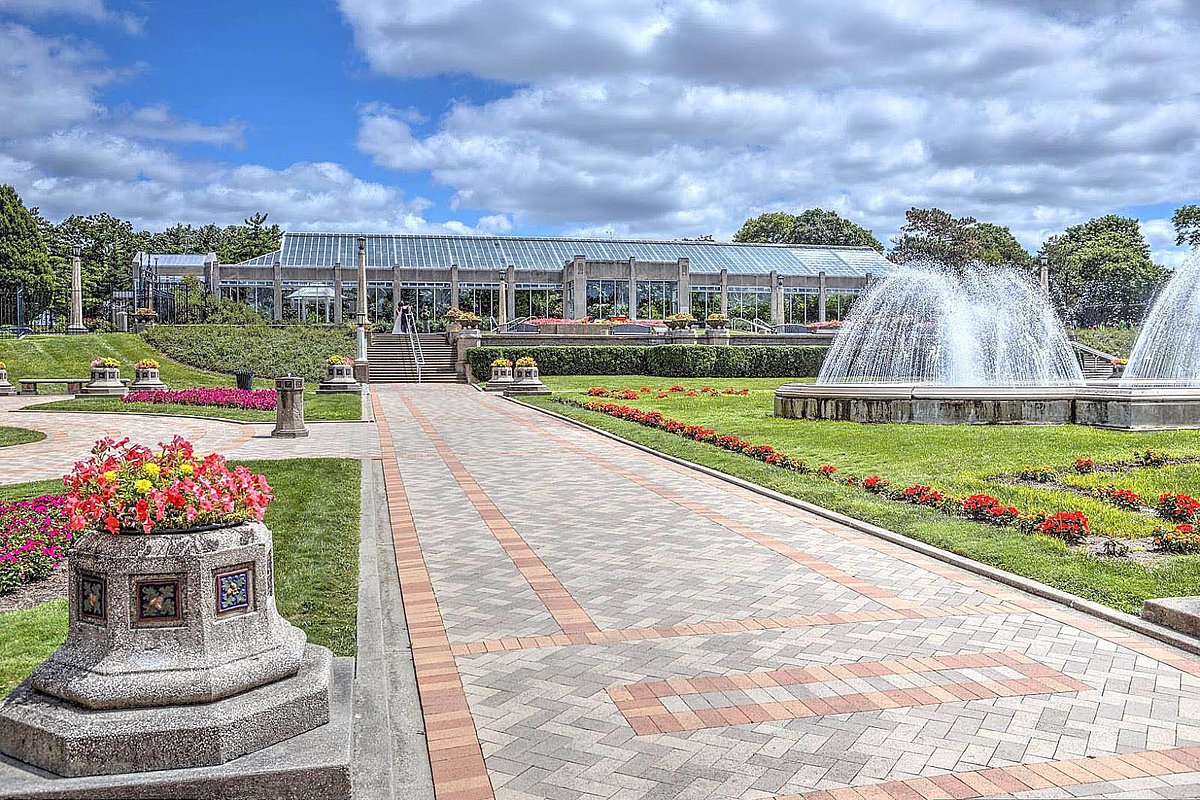
Garfield Park in Indianapolis was our final stop for the month. Named after President James Garfield following his assassination in 1881, the park still carries the elegance of its original design. The Conservatory event was a highlight and a creative use of a historic public asset. Like many legacy facilities, time has left its mark. Deferred maintenance becomes visible. Repairs compete with new initiatives. The tension between preservation and expansion is something every growing community eventually encounters.
Each of these places reinforces a consistent truth. Building something is only the beginning. The real work is in maintaining it.
Elected officials and department heads today are navigating aging infrastructure, limited budgets, regulatory pressures, and growing expectations from residents. Growth is exciting. Ribbon cuttings are energizing. But water lines, storm systems, roads, parks, and facilities quietly require attention long after the headlines fade.
The communities that thrive are not the ones that build the most. They are the ones that plan, forecast, and fund with the future in mind.
Keep wandering. Where should I go next?
~ Jeff Banning